Symbols
An album by Gibson Chase-Pinkney


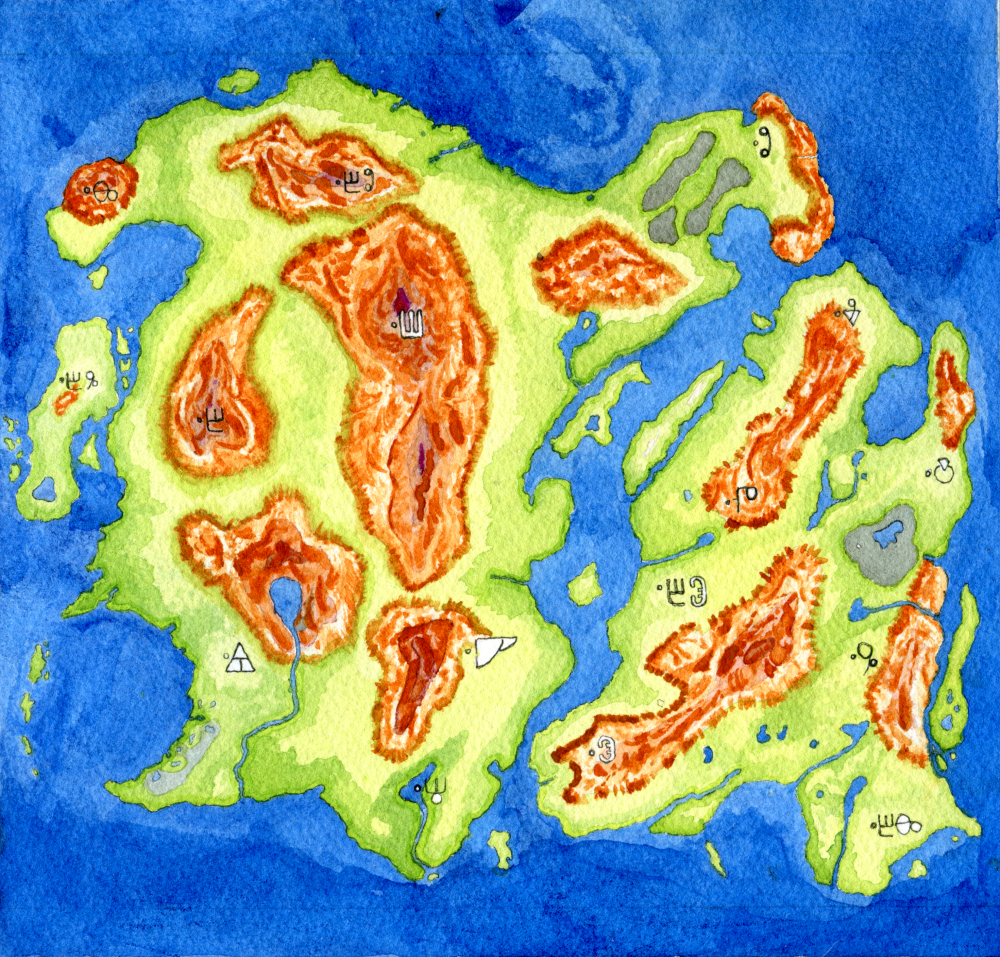
Front Map

Credits

All sound production, editing, mixing and mastering was done by Patrick Meany. Videography, color separation, and blood rites were done by Ellis Chase-Pinkney. I wrote tracks 1-4,6-9,11,12,14-16. You could say I arranged tracks 5,10 and 13. Tracks 5 and 13 are traditional, and track 10 is a parody of "Witch of the West-moreland" by Archie Fisher, with verse by Lewis Carroll.

I would like to thank Cameron Turgeon, J.D. Keefe, and Mike Dillon, who play music with me, which is about the nicest thing you can do for a fellow. David Ross, for years of invaluable help. Bob Pinkney, Beth Heywood, Adam Willhoit, Garry Card and Hunter S.Durfee for logistical and postpositive non-restrictive distributed network consulting and management. Intranational song retrieval and evaluation was performed by Matt Derrickson. All of the Comic Boom! people, including Stew King, Jason Cagney, Cahill Benik, Harrison Lloyd, Ronan and all other Sweeney's, Veronica Turk, Jo(h)nathan Bakker, Patrick Whittle, Garry Card, Matthews Manzi and Alliy, and Joel Reil. I'd also like to thank Alan Siggia, and Oliver and Katie Dillon.

This album couldn't exist without the constant support of my mother, Gina Chase-Pinkney, and the continued patronage and support of Cory Milotte (owner of the Comic Boom!and by proxy his wife Stephanie. My father, Gil Pinkney, is also very present and supportive, often providing key logistical support.
I think that art generally, and music in particular, are about building a more and more resilient emotional bastion to confront the difficulties and trials of life, and using that to reach better outcomes that improve and refine our humanity. Terrible and sad things are going to happen, and we can either meet them standing up, with a little foresight and courage, or let them wash over us. The deaths of Scott Mullett, Matthew Calder, and Laurie Teraspulsky were never terribly far from my mind in the period I spent writing and recording this album, and all three of them made me more grateful to be alive and capable, and made me feel more responsibility for the music that I have left to make.

Track Listing

1
ⰈⰈ2ⰈⰈ
ⰃⰃⰃ3ⰃⰃⰃ
Ⱁ Ⱁ Ⱁ Ⱁ4Ⱁ Ⱁ Ⱁ Ⱁ
ⰛⰛⰛⰛⰛ5ⰛⰛⰛⰛⰛ
ⰞⰞⰞⰞⰞⰞ6ⰞⰞⰞⰞⰞⰞ
ⰡⰡⰡⰡⰡⰡⰡ7ⰡⰡⰡⰡⰡⰡⰡ
ⰒⰒⰒⰒⰒⰒⰒⰒ8ⰒⰒⰒⰒⰒⰒⰒⰒ
ⰋⰋⰋⰋⰋⰋⰋⰋ9ⰋⰋⰋⰋⰋⰋⰋⰋ
ⰇⰇⰇⰇⰇⰇⰇ10ⰇⰇⰇⰇⰇⰇⰇ
ⰣⰣⰣⰣⰣⰣ11ⰣⰣⰣⰣⰣⰣ
Ⰱ Ⰱ Ⰱ Ⰱ Ⰱ12Ⰱ Ⰱ Ⰱ Ⰱ Ⰱ
ⰁⰅⰁⰅⰁⰅⰁⰅ13ⰁⰅⰁⰅⰁⰅⰁⰅ
ⰁⰈⰁⰈⰁⰈ14ⰁⰈⰁⰈⰁⰈ
ⰁⰃⰁⰃ15ⰁⰃⰁⰃ
ⰁⰑ16ⰁⰑ

Art

The album art was made with pencil, watercolor paints and waterproof ink on 140# watercolor paper (Winsor Newton Hot Press). I mark things out using rulers and t-squares and stuff. The disk jacket was drawn and painted at 150% final print size, and the CD art at 200%. It probably took me about 50 hours of work to do the jacket art, and maybe 20-30 to do the disc art. I use synthetic brushes, I find Princeton, Winsor Newton, and Mimik to be good brands. I try to use single-pigment paints, the more staining and transparent the better, and avoid convenience mixtures.

We did some digital manipulation to fix errors in the original art. There was one area where the bricks were shrunk on the inside jacket art, between the middle and left fold. We digitally removed some hairs that got in the scanner bed, and we removed a conspicuous rose splotch in a green section. Some mistakes were fixed with poster paint. We used paint.net, and GIMP to process the images, and scanned them in with a consumer Epson flatbed.

The symbols used in the art and this website are from Glagolitic Script , the earliest known slavic script. I picked this because it wasn't likely to be familiar to people like greek letters, and most arabic and east-asian scripts are very brush-based and difficult for a novice to replicate. As it is, there's some deviation in the consistency of my symbols. I used the symbols because I wanted something to assign each of the 12 tones, rather than using a seven-letter system with sharps and flats on certain notes (like standard notation).

The CD art (especially the interior) is all based around ideas in music theory, although not rendered in terribly typical ways. The disc image represents using perfect-fifth tuning to find the notes in major scales, and the under-disc image represents the Major flat seven chord, which is really popular in modern music.

The left panel of the interior shows the seven modes, interpretted through bardic tree-language, waning and waxing king, and triple goddess iconography. The middle panel shows the first 16 measures of a famous piece of music, and the right panel holds the afore-mentioned under-disc. The exterior art is designed just to give people who pick it up with no back story a fighting chance to figure out what's going on with it (the note on the flap, and the notes on the track listing). The idea of the two non-map sections of the exterior is that they're "keys" to help you understand the rest of the package. If all out fails, the QR code on the "letter flap" can point people here, to a more complete answer.

The CDs are "Digipak lite"s from Atomic Disc, printed on a six-panel folding design with a disc tray glued into one of the interior panels. I was quite happy with how the discs came out, and Atomic was really easy to work with. You can buy discs at the Turn It Up! in Brattleboro, VT, or at Comic Boom! in Keene, NH. They're $5 a piece.


All text on this website is Copyright (Copywritten?) 2006-2019 by Gibson Chase-Pinkney (Apparently you need to put your whole name up there to have it be a fully valid copyright notice.)